Orthodontist Near Me
-
Retainers play a pivotal role in maintaining the alignment of your teeth after orthodontic A. Whether you have a removable retainer or a permanent retainer, proper retainer care is essential to preserve your beautiful smile. In this article, we will focus on the significance of removing your retainer when eating or drinking and delve into the aspects of retainer care, with a specific focus on permanent retainers.
Retainers and Their Role in Orthodontic Treatment
Retainers are orthodontic devices designed to hold teeth in their newly aligned positions. After you've invested time and effort into straightening your teeth, retainers help ensure your smile remains stunning and that your teeth don't revert to their original misaligned state. There are two primary types of retainers: removable and permanent.
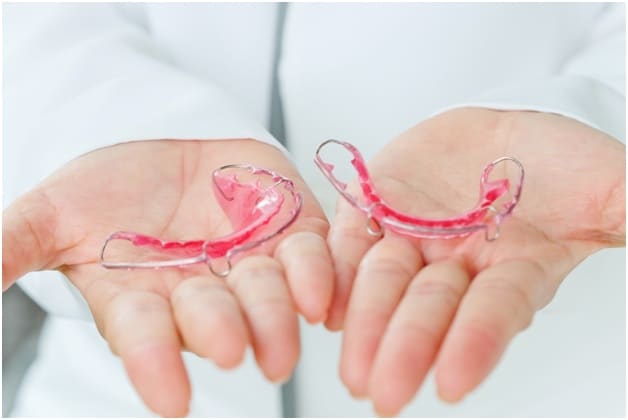
- Removable Retainers: These retainers can be taken out and put back in by the wearer. They are typically recommended for use during specific times, such as while sleeping or during meals.
- Permanent Retainers: As the name suggests, these retainers are affixed to the teeth and remain in place. They are usually bonded to the back of the teeth and are a more discreet option, ensuring constant retention without the need for daily removal.
The Significance of Removing Your Retainer When Eating or Drinking
While permanent retainer are always in place, it is essential to remove removable retainers during meals or when drinking anything other than plain water. Here are the key reasons why this practice is crucial:
- Hygiene and Oral Health: Food particles and beverages can get trapped between your retainer and your teeth. This creates an environment that encourages the growth of harmful bacteria, leading to plaque buildup and potential dental issues. By removing your retainer, you can easily clean your teeth and retainer separately, maintaining better oral hygiene.
- Preventing Stains: Certain foods and beverages, such as coffee, tea, red wine, and tomato-based sauces, can stain your retainer. By taking it out before eating and drinking, you reduce the risk of discoloration, keeping your retainer looking clean and maintaining its transparency or color.
- Protecting the Retainer: Retainers, especially removable ones, are delicate and can be damaged when subjected to the forces of chewing. When you take them out during meals, you decrease the risk of damage or distortion, extending the life of your retainer.
- Comfort and Functionality: Retainers are designed to maintain the alignment of your teeth, and wearing them during meals can affect your ability to chew properly. Removing your retainer while eating ensures that you can enjoy your meals comfortably and without interference.
- Reducing the Risk of Accidental Swallowing: Removable retainers are relatively small and can be easily misplaced or accidentally swallowed if left on while eating or drinking. Taking them out before meals minimizes the risk of such accidents.
Retainer Care: A Comprehensive Approach
Proper care and maintenance of your retainer, whether it's removable or permanent, is essential for preserving your orthodontic results and ensuring the longevity of the device. Here are some general tips for retainer care:
- Follow Your Orthodontist's Advice: Your orthodontist will provide specific instructions for retainer care. Follow these recommendations closely to ensure the best results.
- Clean Your Retainer Regularly: Removable retainers should be cleaned daily. Gently brush your retainer with a soft-bristle toothbrush and mild, non-abrasive soap or a denture cleaner. Rinse thoroughly before reinserting it. For permanent retainers, regular dental check-ups and cleanings are crucial.
- Store Your Retainer Properly: When not in use, store your removable retainer in its case to protect it from damage, loss, or exposure to bacteria.
- Handle Your Retainer with Care: Whether your retainer is removable or permanent, handle it gently to avoid bending or breaking it.
- Wear Your Retainer as Instructed: Follow your orthodontist's guidance regarding when and how long to wear your retainer. This is vital to maintain the results of your orthodontic treatment.
- Keep It Away from Heat and Direct Sunlight: Extreme heat can warp your retainer, so avoid leaving it in direct sunlight or hot environments.
- Regular Dental Check-ups: Visit your dentist or orthodontist for regular check-ups to monitor the condition of your permanent retainer and ensure it is well-maintained.
The Importance of Permanent Retainer Care
If you have a permanent retainer, it requires a unique set of considerations and care to ensure its effectiveness. These are essential aspects of permanent retainer care:
- Oral Hygiene: Cleaning around a permanent retainer can be a bit more challenging. Use floss threaders or interdental brushes to remove food particles and plaque from between the wires and teeth. Regular dental check-ups are crucial for maintaining the health of your teeth and retainer.
- Regular Check-ups: Visit your orthodontist or dentist to ensure your permanent retainer is in good condition. They will check for any signs of damage or shifting that might require adjustment.
- Dietary Considerations: Be mindful of your diet. Avoid hard or sticky foods that can damage the wires of your permanent retainer. It's best to cut food into smaller, manageable pieces to minimize the risk of damage.
- Seek Professional Guidance: If you experience any discomfort, changes in your bite, or any issues related to your permanent retainer, consult your orthodontist promptly for professional advice.
Conclusion:
Proper retainer care is essential for maintaining the results of your orthodontic treatment, whether you have a removable or permanent retainer. By removing your retainer when eating or drinking, you contribute to better oral hygiene, prevent staining, protect the retainer, and maintain your comfort during meals. Follow the care guidelines provided by your orthodontist and dentist, and your beautiful smile will remain intact for years to come. If you have a permanent retainer, pay extra attention to its unique care requirements to ensure it serves its purpose effectively.

Comments
- (no comments)