Orthodontist Near Me
-
Why do Permanent Retainers Break?
Nov 8, 2023
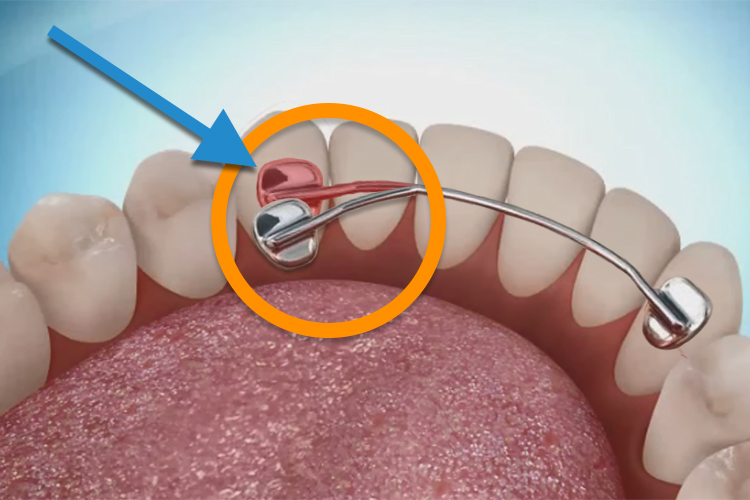
A permanent retainer, often known as a fixed or bonded retainer, is a reliable solution to maintain the alignment of your teeth after orthodontic treatment. However, despite their durability, permanent retainer broke, causing discomfort and potential dental issues for those who rely on them. In this article, we'll delve into the reasons behind why permanent retainers break, shedding light on the causes of a "broken permanent retainer."
Material Wear and Tear
One common reason for a permanent retainer to break is the gradual wear and tear of materials over time. These retainers are usually made from a thin wire bonded to the back of your teeth, and even though they are designed to be sturdy, they are not indestructible. Over several years, the constant pressure from your tongue, natural tooth movement, and exposure to acidic foods can weaken the retainer, causing it to break or become less effective.
Accidental Trauma
Accidental trauma to the mouth is another common cause of a broken permanent retainer. A blow to the face, a fall, or any other incident that impacts the teeth and the bonded wire can result in a broken retainer. This can happen to anyone, regardless of age or how well they care for their teeth. In such cases, a broken retainer should be promptly addressed to prevent any further damage or misalignment.
Poor Oral Hygiene
Maintaining good oral hygiene is essential for the longevity of a permanent retainer. Neglecting oral hygiene can lead to the accumulation of plaque and bacteria around the retainer, which weakens the bond between the wire and the teeth. As the retainer becomes loose, it is more prone to breaking. Regular dental check-ups, along with proper brushing and flossing techniques, are crucial to ensure the health and longevity of a permanent retainer.
Dietary Factors
Dietary habits can play a significant role in the breaking of permanent retainers. Consuming hard, crunchy, or sticky foods can put excessive pressure on the retainer and the bonded teeth. This pressure can lead to the wire breaking or the adhesive bond weakening. Patients with permanent retainers should be mindful of their dietary choices and avoid foods that can damage their orthodontic appliance.
Clenching and Grinding
Bruxism, or the habit of clenching and grinding one's teeth, can exert significant force on the retainer and the teeth it is bonded to. Over time, this constant pressure can lead to the retainer breaking or becoming dislodged. If you have a history of teeth grinding or clenching, it is essential to inform your orthodontist, as they may recommend additional measures to protect your retainer.
Poor Installation or Maintenance
The initial installation and ongoing maintenance of a permanent retainer play a crucial role in its longevity. In some cases, a retainer may break due to poor bonding during the initial installation, inadequate wire quality, or improper care by the orthodontist. Regular maintenance check-ups can help identify any issues early on and prevent them from causing a broken permanent retainer.
Natural Tooth Movement
Teeth naturally shift and move throughout a person's lifetime, even after orthodontic treatment. This movement can place stress on the bonded wire of a permanent retainer, potentially leading to breakage. Regular check-ups with an orthodontist can help monitor these changes and make any necessary adjustments to the retainer to prevent breakage.
Conclusion:
In conclusion, a "broken permanent retainer" can occur for various reasons, ranging from material wear and tear to accidental trauma and poor oral hygiene. To avoid the inconvenience and potential dental issues associated with a broken retainer, it is essential to understand these causes and take appropriate measures. Regular dental check-ups, good oral hygiene practices, and a cautious approach to diet and lifestyle can all contribute to the longevity of your permanent retainer. If you do experience a broken permanent retainer, consult your orthodontist promptly to address the issue and ensure the continued effectiveness of your orthodontic treatment.
Comments
- (no comments)