Orthodontist Near Me
-
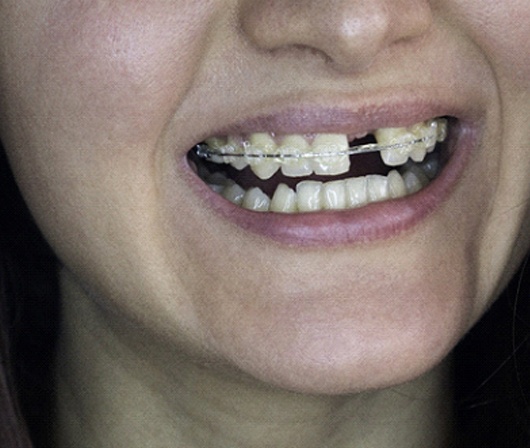
Orthodontic treatment is not solely reserved for individuals with a full set of teeth. Many patients with missing teeth can still benefit from orthodontic intervention to correct misalignments, improve oral function, and enhance their smile. This article delves into the various types of braces suitable for patients with missing teeth, offering insights from top orthodontists in Miami who specialize in addressing such unique dental scenarios.
Understanding the Challenges of Orthodontic Treatment with Missing Teeth
Patients with missing teeth face specific challenges when seeking orthodontic treatment. The absence of one or more teeth can lead to misalignment, spacing issues, or shifting of adjacent teeth, impacting both the aesthetics and functionality of the mouth. Therefore, selecting the appropriate type of braces becomes crucial to address these concerns effectively.
Types of Braces Suitable for Patients with Missing Teeth
- Traditional Braces with Space Maintenance: Traditional metal braces remain a viable option for braces with missing teeth. Orthodontists may incorporate specialized techniques, such as space maintainers or temporary anchorage devices (TADs), to manage spaces caused by missing teeth. This helps prevent neighboring teeth from shifting into the gaps during orthodontic treatment.
- Ceramic Braces: Ceramic braces, also known as clear braces, function similarly to traditional braces but are less conspicuous due to their tooth-colored or clear brackets. These braces are effective in aligning teeth, including spaces resulting from missing teeth, while offering a more aesthetically pleasing option.
- Lingual Braces: Lingual braces are placed on the inner surfaces of the teeth, making them virtually invisible from the outside. They can be customized to address specific alignment issues, including spaces caused by missing teeth, offering a discreet treatment option for individuals concerned about the appearance of braces.
- Invisalign or Clear Aligners: Invisalign and other clear aligner systems offer a removable and nearly invisible orthodontic treatment option. While primarily suitable for mild to moderate misalignments, these aligners can also address spaces resulting from missing teeth by gradually shifting adjacent teeth into more aligned positions.
Considerations When Choosing Braces for Patients with Missing Teeth
Several factors influence the choice of braces for patients with missing teeth:
- The number and location of missing teeth: The orthodontist considers the specific areas and the extent of missing teeth to devise a suitable treatment plan.
- Orthodontic goals: The patient's desired outcome, whether it's purely aesthetic or includes functional improvements, guides the selection of the most appropriate braces.
- Overall oral health: The orthodontist evaluates the patient's oral health, gum condition, and bone structure to determine the feasibility of different braces options.
Expert Insights from the Best Orthodontists in Miami
Top orthodontists in Miami emphasize the importance of a comprehensive evaluation and personalized treatment plan for patients with missing teeth seeking orthodontic treatment. They stress the significance of addressing not only the cosmetic concerns but also the functional aspects to achieve optimal oral health and overall satisfaction with the treatment outcomes.
Conclusion:
Orthodontic treatment options are available for patients with missing teeth, offering solutions to correct misalignments, close gaps, and improve both aesthetics and functionality. Consulting with the best orthodontist Miami allows individuals to explore various braces options tailored to their unique dental situations. By selecting the most suitable type of braces, individuals with missing teeth can embark on a transformative orthodontic journey, guided by expert orthodontists dedicated to achieving optimal results and delivering confident, radiant smiles.
Comments
- (no comments)