Orthodontist Near Me
-
What Should You Do About Dental Deep Cleaning?
Dec 12, 2022
Dental cleaning is essential to maintain your oral health. People must get regular dental cleanings at the office to get a happy & healthy smile. A dental hygienist performs a standard oral cleaning to make your gums healthy.
Dental deep cleaning Miami is something other than what you do regularly after each meal. To get dental cleaning at home, you must need a DIY teeth whitening kit to perform deep cleaning.
However, you should get it done under the supervision of a professional dentist to avoid further consequences.
What is The Use of Deep Dental Cleaning?
Teeth cleaning Miami help treat periodontal or gum disease. Usually, professionals advise deep tooth cleaning to people. Still, dentists recommend it for anyone with gum disease or periodontal issues.
Moreover, deep teeth cleanings are helpful for people without regular dental checkups and anyone with periodontal or gum disease. Deep teeth cleanings are intended to address periodontal or gum disease.
What Exactly Is A Deep Dental Cleaning?
Dental professionals often refer to deep teeth cleaning as gum therapy which is frequently called gum scaling and root planing. It is a dental procedure intended to clean the teeth and gums down to the roots.
What Are Deep Cleaning Teeth Benefits?
Deep dental cleaning Miami can stop gum conditions like gingivitis from getting worse.
- Keep in mind that even when our teeth and gums are completely healthy, we all have a lot of bacteria in our mouths.
- Plaque is a natural product of the interaction of these bacteria with food and other things. However, people try to eliminate them with regular brushing and flossing.
- Sometimes it is impossible to remove plaque with a toothbrush; eventually, it hardens and becomes tartar, which a professional dental cleaning can only withdraw.
- Suppose tartar remains on the teeth for extended periods. In that case, it can lead to gingivitis, a condition where the gums swell and turn red.
Even if you use gentle brushing and flossing, bleeding may occur when you have gingivitis.
Other indications of gum disease include:
- Persistent poor breath.
- Loosened teeth.
- Pain when chewing (particularly when eating trickier or stickier foods).
- A receding gum line.
All of this is to imply that a deep tooth cleaning is an excellent means to remove the build-up and return your mouth to a healthier state if you are suffering from gum disease or gum soreness like gingivitis. It is caused due to constant build-up of plaque and tartar between your teeth and gums.
What Consequences Can Deep Cleaning Teeth Cause?
Deep teeth cleaning is a process with low risk, particularly when carried out by a skilled dentist or dental hygienist.
However, because of the cleaning, gum scraping, and tartar removal procedures, there is a chance that any fillings you may have could become loose or pop out (though your dentist can probably fix that later).
Additionally, if a tiny bit of tartar gets wedged between the tooth and the gums, you risk developing an abscess.
After the surgery, you can also experience increased sensitivity in your teeth and gums. Still, with regular care and oral hygiene, this usually goes away within two weeks.
Do Teeth Hurt After a Deep Cleaning?
Like with any dental procedure, you might feel discomfort, bruising, and soreness afterward. Additionally, the local anesthetic may have left you numbed for the remainder of the day.
Following a deep cleaning of your teeth, you should stick to a diet of soft foods for a few days because your gums may become sensitive.
Due to your increased sensitivity, you may also want to avoid eating or drinking anything cold.
Your dentist might suggest antibiotic pills or a mouthwash to help stop infections and hasten the healing process of your gums.
Schedule an appointment with your Miami shores orthodontist to discuss Deep cleaning teeth cost Miami.
Article Source : https://www.transitsblog.com/what-should-you-do-about-dental-deep-cleaning/
-
How Often Do You Need Teeth Whitening?
Aug 3, 2022
Every individual desires a white pearly smile to look confident and attractive. However, a few take birth with a beautiful and flawless smile. Most people have lost the beauty of their white teeth due to bad choices such as drinking beverages like coffee, tea, and alcohol resulting in a stained smile. Also, when they overage, their teeth start losing their natural color, and they may have grey or yellow teeth. Such conditions require teeth whitening Miami fl to get a confident & beautiful smile.
You may lose your self-confidence due to discolored teeth. Luckily, dentistry has the solution to this problem: professional Miami beach teeth whitening or at-home teeth whitening methods. Both the teeth whitening solutions have a common agent that is bleaching agents. If you are using at-home teeth bleaching, the amount of carbamide or hydrogen peroxide is about three to twenty percent. On the other hand, in-office teeth whitening includes fifteen percent to forty-three percent bleaching agents.
Usually, a more robust solution may produce whiter teeth; however, you should apply it for shorter periods. It is so because the longer the solution will remain on your teeth, the probability of teeth sensitivity becomes higher.
How often can you receive professional teeth whitening?
In-office teeth whitening methods offer instant results, and the results will last for four to six months. Patients who desire a dazzling white smile want to know the period between two sessions and whether it is secure to have more than once. According to reliable sources, it is safe to have repeated sessions during the four to six months.
Still, the best orthodontists near me recommend checking the health of your tooth enamel before you schedule the next dentist visit. It is essential to oral health and well-being because bleaching agents may wear and tear teeth enamel, causing teeth sensitivity. Moreover, if you are a pregnant woman, you may have an allergy to bleaching agents or if your age is under sixteen. Therefore, consult your sunny isles beach orthodontist first to determine whether you are a suitable candidate for the procedure or not.
What is In-Office Tooth Whitening?
Professional teeth whitening can make your teeth brighter and faster. As the bleaching agents in professional teeth whitening are more challenging than at-home kits, patients get quick and better results. Moreover, dentists use a combo of heat and bleaching solutions during professional teeth whitening procedures to intensify the teeth whitening process.
After the procedure, you will notice that your teeth are three to eight shades whiter than before. This teeth whitening procedure may take thirty to sixty minutes to complete. Some dentists may take two hours using zoom teeth whitening techniques. The cost of this procedure may range from $500 to $1,000.
At-Home Teeth Bleaching Options
You can use at-home bleaching options if your teeth are not severely stained. Most commonly, tooth whitening gel and pastes are available in the market. You can use them to achieve a white smile. You can apply the bleaching agents to your teeth with a thin strip or brush once or twice daily. Repeat this process for up to ten to fourteen days. Results of this teeth bleaching procedure may last up to four or more months. The cost of this procedure may lie between $10 to $55.
You can use tooth whitening toothpaste and tray-based bleaching trays to get a whiter smile. So, if you want a stain-free smile, consult your Biscayne park orthodontist today to know the better teeth whitening method based on your oral condition.
Article Source : https://www.hugotips.com/how-often-do-you-need-teeth-whitening/
-
Despite being two of the most well-known orthodontic gadgets, braces and Invisalign are by no means the only ones utilised to treat patients. They use different orthodontic tools to achieve various objectives, from broadening the jaw to maintaining space in the mouth. Orthodontists Miami fl want their patients to feel at ease using any equipment necessary for their care.
Our purpose fundamentally depends on patient education. The lower lingual holding arch and the Nance arch will be the main topics of this blog article because they are both employed to keep the lower and higher dental arches open.
How does the lower lingual holding arch help?
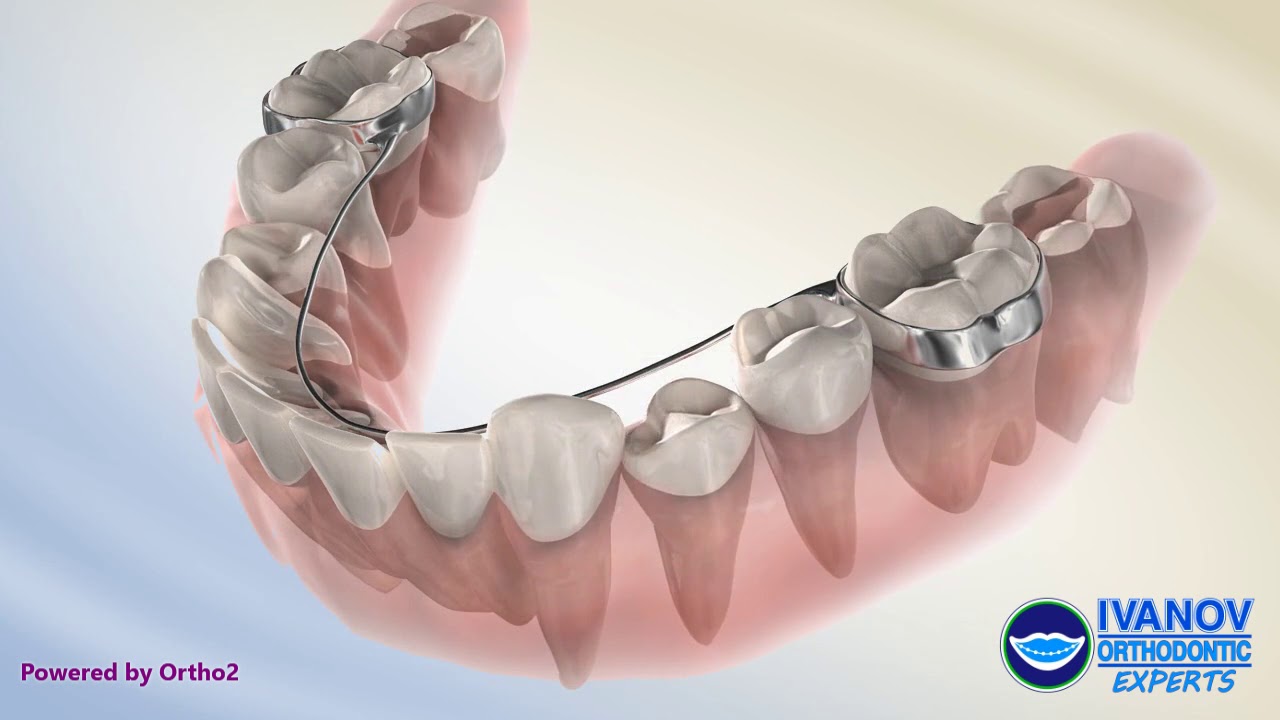
A lower lingual holding arch is a type of fixed appliance that preserve the space in the lower dental arch, playing the role of a space maintainer. The device keeps the lower teeth from shifting forward, where they might prevent permanent teeth from erupting. They most frequently use this appliance when a child's lower teeth are a little crowded or when baby teeth are gone too soon.
Since not all the patient's adult teeth have come in, a Miami children's dentist mainly uses this appliance on younger patients. The lower lingual holding arch typically stays in place until adult teeth fully erupt. Other applications for the lingual holding arch could be:
- Molar support and stabilisation
- Regaining the extra space made available by the loss of infant molars
How does Nance arch help?
A nance arch or nance appliance does the same thing for the upper jaw and teeth as the lower lingual holding arch does for, the lower jaw. It keeps the teeth from moving forward and preserves the space in the mouth. The Nance arch differs significantly from the lower lingual holding arch in a critical way while being similar in form. Using orthodontic cement, a pediatric dentist Miami beach joins two stainless steel rings to the upper front molars.
A stainless steel wire that crosses the roof of the mouth connects the bands. An acrylic plate conceals the wire that touches the roof of the mouth. This button is about the size of a quarter and is located just below the upper teeth. The Nance appliance rests passively, just like the lower lingual holding arch, so its presence brings no pressure or soreness.
What are the maintenance and cleaning tips?
Both the nance arch and lingual arch are virtually maintenance-free. However, there are few rules to follow while they are in place.
- Avoid playing with the wires with your tongue. Additionally, patients shouldn't pick at the wire or bands.
- Eat soft or crunchy food with caution since it could harm your appliances.
- You should avoid taffy, gum, caramel, and other sticky or chewy foods as they may cause the appliance to become loose.
- Make an appointment with the orthodontist to have the appliance re-cemented if one or more bands migrate up or down.
- Make an immediate appointment with the orthodontist's office if anything seems loose or fractured.
Conclusion
We hope the above-provided information will help you learn some beneficial and valuable details regarding the lower lingual holding arch and nance appliance. For more informative details, please visit ivanovortho.com.
Article Source : https://www.ihealthytips.com/what-helps-in-maintaining-space-in-the-dental-arch/
-
Does Overbite Affect Jawline?
Mar 24, 2022
If you have an overbite, it might appear that your jawline isn’t quite as pronounced as it could be or it might look like your chin doesn’t jut out from your face quite as much as it should, but don’t worry, this can be easily fixed with orthodontic treatment, if you choose to have it done! Overbite does not cause jawline problems and will not affect the way your face looks even if you don’t have orthodontic treatment.
Does Overbite Affect Jawline?
The jawline that you see in a person’s face is what forms around a bone structure called maxilla, located behind and around your top teeth. The maxilla helps to support your cheeks, nose and lips. When a patient has an overbite or deep bite, he or she may not be getting enough support from his or her maxilla due to its alignment and position within their mouth. This can be frustrating because those with jaw overbites often want nothing more than an attractive jawline. If you are having issues with an uneven jawline despite wearing braces and need alternative solutions for correcting it, contact local orthodontist Dr. David Orlofsky today to find out how other treatments such as Invisalign can help!The Difference Between Overjet and Overbite
Braces are usually prescribed to correct jaw alignment and even out overbites. Overjet refers to when your upper teeth extend past your lower teeth; an overbite is when your lower jaw extends past your upper jaw. Braces can be helpful in correcting these, but there are alternatives, like Invisalign or removable aligners that won’t require you to wear bulky metal brackets. If orthodontics is an option for you, schedule a consultation with a local orthodontist to see what will work best for you—an overbite could indeed affect your facial structure in a major way so it’s important to get professional advice before making any decisions about cosmetic dentistry.The Pros and Cons of Braces
Many people decide that braces aren’t right for them, and that’s fine. The truth is that there are alternatives to braces, including Invisalign (clear aligners) and retainers. It all depends on your goals, personal preferences, and financial situation. Local orthodontists can also be a good resource if you don’t want to go with traditional metal braces. Talk to your dentist about your options today! A jaw overbite before and after can cause physical problems like headaches, tooth decay or muscle pain throughout your entire body. You might not know it yet but getting a healthy smile is important for more than just how good you look when you smile — it helps maintain your overall health!Alternatives to Braces
There are a number of alternatives to braces, including jaw-retainers and non-surgical approaches. A retainer is a mouthpiece worn at night to keep your teeth in place, which is why it's also sometimes called an orthodontic splint. Retainers work on their own and don't require any additional procedures. They're especially useful for kids who might not be ready for conventional braces or teens who don't want to go through another orthodontia treatment for whatever reason. If you have a serious overbite, there may be other options available as well. If you live near a major metropolitan area like Dallas, Houston or San Antonio, talk with your local orthodontist about whether they offer something like All-on-4® treatment.Is Orthodontics Right For You?
Braces are a great way to straighten teeth, but most adults who feel they need orthodontic treatment aren’t wearing braces for cosmetic reasons—they’re worn by people who suffer from jaw pain or tooth decay caused by poorly aligned teeth. Fortunately, there are alternatives to braces that can help many of these people deal with their issues. These include Invisalign and clear plastic mouth guards. However, as with any medical decision, it’s important to weigh your options carefully. For example, if you want your jawline back into better proportion, you might be better off opting for surgery than a mouth guard that won’t address your structural problem.Who Will Do My Treatment?
You can save some money on your orthodontic treatment if you do it yourself. The process is a little bit difficult, but it’s not that hard. With a little time and some effort, you will have great results. So, if you have an overbite don’t wait for it to improve by itself, do something about it and make yourself look beautiful in no time!How Long Does Treatment Take?
While every case is different, orthodontic treatment can take anywhere from a few months to several years. This really depends on whether your treatment is part of a wider plan, such as Invisalign®, or if you’re undergoing surgery or other treatments at the same time. If you are having braces placed on top of teeth that need to be removed or replaced—and there’s not enough room for both—treatment could take longer still. But with patience and perseverance, most people find their new smile very rewarding.Common Myths About Dentists
What's true about dentists and oral hygiene? When it comes to dental care, there are a lot of common misconceptions in circulation. The truth is that only regular cleanings by a dentist will stop gum disease, remove plaque and tartar buildup, prevent tooth decay and gum disease, and ensure your oral health remains at its best. In fact, there's much more to think about when it comes to looking after your mouth than most people realize. There are some things you can do on your own—like taking better care of your teeth (clean twice a day with an anti-bacterial toothpaste), using dental floss daily, rinsing well with mouthwash after eating or drinking acidic beverages—but other issues may require professional help.
-
How to make your teeth whiter with braces
Mar 24, 2022
As an orthodontist, I often get asked how to make teeth whiter with braces? The truth is that there are two things you can do to keep your teeth looking their best while wearing braces. First, you need to brush and floss regularly, and second, choose the right color of powerchain for your brackets to ensure that your teeth look even whiter than they would without braces. Let’s start with brushing and flossing. what color braces make your teeth look white?
What are braces?
Braces, often called powerchains or even train tracks, are brackets made of metal or a material similar to plastic. They're designed to align your teeth into a desirable position and can help correct spacing and bite problems. There are two basic types of braces: traditional metal braces (which sometimes come in color options) and clear or ceramic braces (which are becoming more popular). Traditional metal braces may be rubber-banded together or bonded to each tooth; both systems utilize tiny metal wires that exert forces on the brackets' attachment points. Over time, these forces move individual teeth into better positions.
The braces color wheel is an option offered by some orthodontists. Most patients are aware that they can have their braces in a variety of colors, but few know that it is possible to use certain colors to get different results. Some people who have seen other patients with what are the best braces colors decide that they want their own set of bling-colored wires, while others come in and ask for a specific color because they don’t want white or clear-colored wires on their smile. The decision rests entirely on personal preference; there are no known benefits of one color over another when it comes to straightening crooked teeth or closing gaps between teeth. Here is a guide for choosing what color you want your own custom-made wires to beTypes of braces
Your dentist may recommend a number of different types of braces depending on your circumstances. A power chains is a type of removable braces that uses a small magnet to connect individual links together, which makes it easier for patients to keep their appliances clean and retain them for at least two years. This can help achieve more accurate alignment.Powerchains – What, Why, How
Depending on what color powerchain you’re using, they can be turned on or off. What that means is that any time you flip your powerchain over in order to wear it at another angle, you are turning it off. That way, if you are eating or drinking something and then want to wear your powerchain again, you don’t have to take it off first. If a powerchain has two colors (such as silver and gold), when viewed from above it will look like a discolored smile because one side of your upper teeth is silver and one side is gold. This is an especially great choice for those who aren't fans of wearing braces but still want a whiter smile!What color should I choose?
When it comes to choosing a tooth-color alignment, you have three choices: clear (the most popular option), metal, or ceramic. Choose clear if you want a no-fuss appliance that will blend in well with your smile; choose metal if you want something less obtrusive but more noticeable; and choose ceramic if you’re OK with having something that looks a little bit like braces but isn’t technically an orthodontic device.Do I have to go for color?
When choosing between ceramic and metal braces, it’s important to know that both types are equally effective at straightening teeth. However, some people prefer ceramic braces because they give a brighter smile. If you’re deciding between clear and tooth-colored brackets, be aware that both materials have their pros and cons—you may choose one over another simply because of aesthetic preference. However, color can impact how well you can keep them clean. Many dental experts recommend that people who go for color consider switching to clear brackets every three months in order to minimize staining. Just remember: no matter what material you choose, do what feels right for you!Final thoughts on colors. Choose wisely.
As we’ve said before, colors play a big role in making braces fit better. That’s why it’s important to choose colors that will complement each other and keep you from having gaps between your teeth. Most professionals recommend picking colors that are as close together on a color wheel as possible. For example, if you were going for orange or yellow braces, it would be best to get one of those and then a complementary shade like green or purple. You can also avoid certain colors altogether by choosing clear braces instead; that way, you won’t have any unnecessary coloring getting in the way of your beautiful smile!