Orthodontist Near Me
-
A children's best orthodontist in miami FL specializes in helping kids with their teeth alignment and jaw development. Starting orthodontic care early can prevent potential issues from becoming bigger problems down the road. You will go through the query of what is the significance of early orthodontic intervention and what parents can expect from an early orthodontic process.
What Does Children's Orthodontics Involve?
1. Assessment of Bite and Jaw Growth
A children's orthodontist checks how your child's teeth fit together and how their jaw is growing. This early evaluation helps identify any potential alignment issues.
2. Monitoring Permanent Teeth Eruption
As permanent teeth come in, an orthodontist tracks their progress. This is important because it helps catch any irregularities early on.
3. Spotting Habits That Affect Dental Health
Thumb-sucking or using a pacifier for too long can impact tooth and jaw development. An orthodontist can guide parents on breaking such habits early to prevent future dental issues.
What Is The Significance of Early Orthodontic Intervention?
1. Preventing Future Complications
Addressing orthodontic concerns early can prevent more significant problems later. It is like fixing a small leak before it turns into a burst pipe.
2. Correcting Bite Issues
An early visit to the miami shores orthodontist can identify and correct bite problems, ensuring that the upper and lower teeth come together properly. This can prevent difficulties in biting and chewing.
3. Guiding Jaw Growth
In some cases, orthodontists use early intervention and suggest installing braces miami florida to guide the growth of the jaw. This is particularly crucial in cases of overbites, underbites, and crossbites.
4. Creating Space for Permanent Teeth
If a child's baby teeth are too close together, it can cause problems when permanent teeth start to come in. Orthodontic intervention can create the right amount of space for these teeth.
5. Boosting Confidence
Early intervention can also play a role in boosting a child's confidence. Correcting orthodontic issues early prevents potential teasing or self-esteem problems associated with dental appearance.
The Early Orthodontic Process: What Parents Can Expect?
1. Initial Consultation
The first visit involves a thorough examination of your child's teeth and jaw. X-rays might be taken to get a comprehensive view.
2. Creating a Treatment Plan
If intervention is needed, the orthodontist will create a treatment plan tailored to your child's specific needs.
3. Starting Treatment
Depending on the situation, treatment might involve braces color wheel, retainers, or other devices designed for children.
4. Regular Check-ups
Regular visits to the orthodontist ensure that the treatment plan is on track and adjustments are made as needed.
Conclusion
Early intervention with a children's children's orthodontist near me in Florida is not just about braces; it's about setting the stage for a lifelong healthy smile. By addressing potential issues early, parents can ensure that their child's teeth and jaw develop correctly, preventing more significant problems in the future. So, don't wait and schedule that first orthodontic visit for your child and give them the gift of a confident and healthy smile.
-
It is pronounced that whenever you are going with any medical treatment, you have to be very careful with the process by taking accurate care. When taking proper precautions, it is much easier to be cured of any significant problems, whether teeth-related issues or any other primary treatment. In the same way, when undergoing the invisalign north miami, it is necessary to follow up on all the instructions the dentist gave. Invisalign is the new and advanced technology being viral due to these braces' comforters. In this article, you will be reading the precautions you take to stay safe from unnecessary infections. So, continue reading it.
Major Precautions are:
● Thoroughly Cleaning Aligners and Teeth
When getting Invisalign from an orthodontist hollywood fl, it's critical to maintain good oral hygiene. After every meal, make sure your aligners and teeth are completely clean. If this isn't done, germs, plaque, and smells may build up and affect your teeth' general health.
● Consistent Wear for Optimal Results
As mentioned on the invisalign doctor login site, it's essential to wear your Invisalign aligners consistently if you want to see the desired results. Usually, orthodontists advise wearing the aligners for 20 to 22 hours daily. Maintaining consistency is essential because deviating from this suggested timeframe could make therapy take longer.
● Removing Aligners Only When Necessary
While removing Invisalign aligners for eating and drinking is necessary, it's essential to keep these instances brief. Prolonged periods with the aligners can help progress. Therefore, putting them back in immediately after meals or snacks is advisable to maintain the prescribed wear time.
● Storing Aligners Safely
When not in use, store your Invisalign aligners in their designated case. Leaving them unprotected increases the risk of damage or loss. A secure case protects the aligners and maintains their cleanliness and effectiveness.
● Keeping to Scheduled Visitations
It's essential to see your orthodontist regularly to track the development of your Invisalign treatment. Following through on the agreed-upon appointments guarantees that any adjustments are made as needed and that any issues are dealt with as soon as possible.
● Communicating Issues Promptly
If you experience discomfort or pain or notice irregularities with your Invisalign aligners, communicate with your orthodontist promptly. Timely intervention can prevent complications and keep your treatment on track.
● Avoiding Staining Agents
Invisalign aligners are transparent, making them discreet but also susceptible to staining. Avoid consuming beverages like coffee, tea, and red wine while wearing the aligners to prevent discolouration. If staining occurs, it might compromise the aesthetic appeal of the aligners.
● Avoiding Chewing Gum and Tobacco
Chewing gum and using tobacco products can compromise the integrity of Invisalign aligners. Both substances can damage the aligners and hinder the progress of your treatment. Avoiding these habits for the duration of your orthodontic journey is advisable.
● Protecting Aligners during Physical Activities
If you engage in contact sports or activities that pose a risk to your teeth, removing your Invisalign aligners and using a suitable mouthguard is essential. This precaution safeguards both your teeth and the aligners from potential damage.
Conclusion
Invisalign is a new and advanced technology that will lead to a simple way of managing the braces with the smile tips. In addition to that, it will also be lighter and can be worn anytime. You will also get the advantage of keeping it transparent without making others notice your braces. Knowing smile direct club vs invisalign is also appropriate for undertaking the perfect treatment. By following these precautions diligently, individuals can maximize the effectiveness of their treatment, ensuring a successful outcome and a radiant, confident smile. You can contact the best orthodontist in miami for more information regarding the treatment.
-
How Long Should Reverse Pull Headgear be Worn Daily?
Nov 17, 2023
Orthodontic treatments like reverse pull headgear and clear teeth aligners have revolutionized the field, offering effective solutions for correcting dental misalignments. Understanding the recommended duration of daily wear for these appliances is crucial for ensuring successful treatment outcomes while maintaining comfort and compliance.
Reverse Pull Headgear: Duration of Daily Wear
Reverse pull headgear, also known as a face mask, is a specialized orthodontic device used to correct underbites or encourage forward growth of the upper jaw about the lower jaw. The recommended duration of daily wear varies based on the specific treatment plan prescribed by the orthodontist.
Typically, individuals undergoing treatment with reverse pull headgear are advised to wear it for around 12 to 16 hours per day. Consistency in wearing the headgear as prescribed by the orthodontist is vital for achieving desired results. This duration allows for gradual and controlled movement of the jaw to correct the underbite or jaw positioning issue effectively.
While wearing reverse pull headgear, it's crucial to adhere to the prescribed schedule, as consistent use maximizes the treatment's efficiency. Most orthodontists recommend wearing the headgear during sleep hours and a portion of daytime hours to achieve the recommended daily duration.
Clear Teeth Aligners: Understanding Daily Wear Recommendations
Clear teeth aligners, such as Invisalign, offer a discreet and comfortable alternative to traditional braces for correcting various orthodontic issues. The duration of daily wear for clear aligners is also a critical factor in achieving optimal results.
Typically, clear aligners should be worn for 20 to 22 hours per day. This extensive wear time ensures consistent pressure and gradual movement of the teeth, facilitating the desired alignment changes. Aligners should only be removed for eating, drinking (except water), brushing, and flossing.
Adhering strictly to the recommended wear time for clear aligners is essential for the success of the treatment plan. Consistency in wearing aligners aids in maintaining the desired tooth movements, preventing setbacks or delays in achieving the intended results.
Balancing Compliance and Comfort:
While the prescribed duration of daily wear for reverse pull headgear and clear teeth aligners is crucial, it's also essential to balance compliance with comfort. Orthodontic treatment can sometimes cause initial discomfort or adjustments as the mouth adapts to the appliances.
With reverse pull headgear, proper adjustment and fit are crucial for comfort. Orthodontists often guide wearing the headgear comfortably during sleep and incorporating daytime wear without causing inconvenience.
Similarly, clear aligners may cause slight discomfort during the initial stages of a new set. However, as the mouth adjusts to the aligners, the discomfort typically subsides. Ensuring proper seating and fit of aligners is essential for both effectiveness and comfort.
Consulting the Orthodontist:
Maintaining open communication with the orthodontist is key throughout the treatment process. If individuals experience significant discomfort or have concerns about the prescribed wear time, it's essential to consult the orthodontist promptly. They can offer guidance, address concerns, and make necessary adjustments to ensure both effective treatment and patient comfort.
Conclusion:
The duration of daily wear for orthodontic appliances like reverse pull headgear and clear teeth aligners significantly impacts treatment outcomes. Adhering to the prescribed wear time as recommended by the orthodontist is crucial for achieving desired results. Balancing compliance with comfort and seeking guidance from the orthodontist ensures a smooth treatment journey toward a beautifully aligned smile.
-
Are Bottom Teeth Braces Right for You?
Nov 8, 2023
Braces, those special tools for straightening teeth, can make a big difference in your smile. When everyone talks about braces, they often think of them on top teeth. But what about bottom teeth? There are various braces color ideas that may help you in the alignment of your teeth. Are bottom teeth braces a good idea? The points mentioned below may help if braces are right for you.
Do You Need Braces for Bottom Teeth?
Your Dentist's Advice
- The first step is to see your dentist. They will check your teeth and tell you if braces are needed.
- Your dentist can also recommend an orthodontist. Orthodontists are experts in braces and can help with a detailed plan.
Problems Braces Can Fix
Crooked Teeth: If your bottom teeth are not in line, braces can help straighten them.
Overcrowding: When your bottom teeth are squished together, braces can make more space.
Bite Issues: If your top and bottom teeth don't fit together right, braces can adjust your bite.
Types of Braces for Bottom Teeth
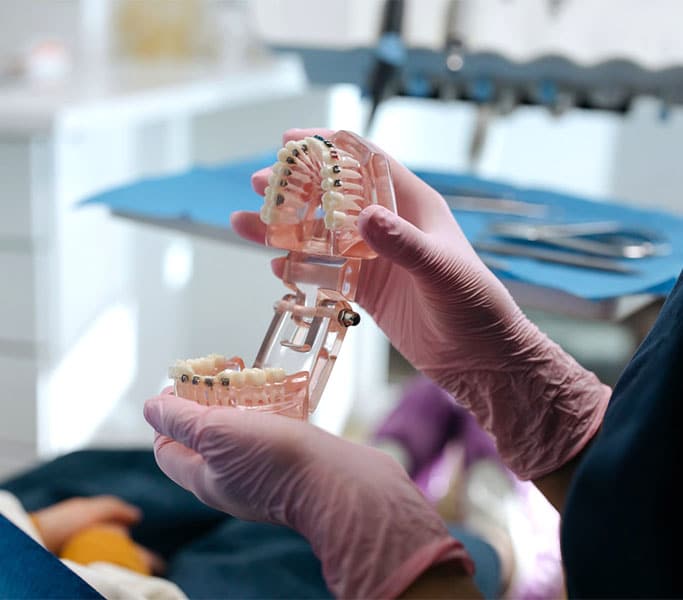
Traditional Braces
- These are the ones we see most often. They have metal brackets and wires.
- Traditional, affordable braces near me can work for both top and bottom teeth.
- They are strong and effective.
Lingual Braces
- These are a bit hidden. They go behind your teeth.
- Lingual braces can be a good choice if you want your braces to be less visible.
- They work well for bottom teeth.
Clear Aligners
- Clear aligners are like clear trays that fit over your teeth.
- They are less visible than traditional braces.
- Clear aligners can be used for both top and bottom teeth.
How Long Will You Need Braces?
You will need a variety of braces, so consider asking about adult braces cost from the dentist. It can be as short as a few months or up to a few years. Your orthodontist will give you a timeline. Following your orthodontist's advice is key to getting good results.
Caring for Braces
Keep It Clean
- With braces, it is important to keep your teeth and braces clean.
- Brush and floss carefully. Special instruments can support this.
- Regular dental check-ups are essential to make certain your teeth and braces stay healthy.
Watch What You Eat
- Some foods can damage braces. Avoid hard or sticky items.
- Your orthodontist will give you a list of foods to be careful with.
Pain and Discomfort
- When you first get braces, your teeth might feel sore.
- Pain relief can be found in over-the-counter pain relievers.
- Wax can be used on braces if they irritate your cheeks or lips.
In Conclusion
Your smile and oral health can both be greatly enhanced by bottom-tooth braces. Whether you go with transparent aligners, lingual braces, or traditional braces, it is crucial to heed the recommendations of your orthodontist or dentist. It is important to take care of your braces, watch what you eat, and accept that some discomfort is common while your teeth adjust. You will be able to look forward to a stunning, healthy smile in the end. Thus, if you are considering getting braces on bottom teeth only, speak with professionals and start down the path to a bright, self-assured smile.
-
Why do Permanent Retainers Break?
Nov 8, 2023
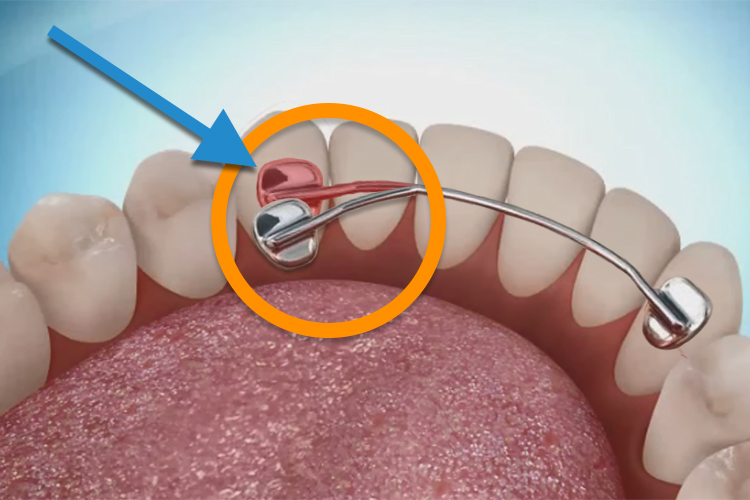
A permanent retainer, often known as a fixed or bonded retainer, is a reliable solution to maintain the alignment of your teeth after orthodontic treatment. However, despite their durability, permanent retainer broke, causing discomfort and potential dental issues for those who rely on them. In this article, we'll delve into the reasons behind why permanent retainers break, shedding light on the causes of a "broken permanent retainer."
Material Wear and Tear
One common reason for a permanent retainer to break is the gradual wear and tear of materials over time. These retainers are usually made from a thin wire bonded to the back of your teeth, and even though they are designed to be sturdy, they are not indestructible. Over several years, the constant pressure from your tongue, natural tooth movement, and exposure to acidic foods can weaken the retainer, causing it to break or become less effective.
Accidental Trauma
Accidental trauma to the mouth is another common cause of a broken permanent retainer. A blow to the face, a fall, or any other incident that impacts the teeth and the bonded wire can result in a broken retainer. This can happen to anyone, regardless of age or how well they care for their teeth. In such cases, a broken retainer should be promptly addressed to prevent any further damage or misalignment.
Poor Oral Hygiene
Maintaining good oral hygiene is essential for the longevity of a permanent retainer. Neglecting oral hygiene can lead to the accumulation of plaque and bacteria around the retainer, which weakens the bond between the wire and the teeth. As the retainer becomes loose, it is more prone to breaking. Regular dental check-ups, along with proper brushing and flossing techniques, are crucial to ensure the health and longevity of a permanent retainer.
Dietary Factors
Dietary habits can play a significant role in the breaking of permanent retainers. Consuming hard, crunchy, or sticky foods can put excessive pressure on the retainer and the bonded teeth. This pressure can lead to the wire breaking or the adhesive bond weakening. Patients with permanent retainers should be mindful of their dietary choices and avoid foods that can damage their orthodontic appliance.
Clenching and Grinding
Bruxism, or the habit of clenching and grinding one's teeth, can exert significant force on the retainer and the teeth it is bonded to. Over time, this constant pressure can lead to the retainer breaking or becoming dislodged. If you have a history of teeth grinding or clenching, it is essential to inform your orthodontist, as they may recommend additional measures to protect your retainer.
Poor Installation or Maintenance
The initial installation and ongoing maintenance of a permanent retainer play a crucial role in its longevity. In some cases, a retainer may break due to poor bonding during the initial installation, inadequate wire quality, or improper care by the orthodontist. Regular maintenance check-ups can help identify any issues early on and prevent them from causing a broken permanent retainer.
Natural Tooth Movement
Teeth naturally shift and move throughout a person's lifetime, even after orthodontic treatment. This movement can place stress on the bonded wire of a permanent retainer, potentially leading to breakage. Regular check-ups with an orthodontist can help monitor these changes and make any necessary adjustments to the retainer to prevent breakage.
Conclusion:
In conclusion, a "broken permanent retainer" can occur for various reasons, ranging from material wear and tear to accidental trauma and poor oral hygiene. To avoid the inconvenience and potential dental issues associated with a broken retainer, it is essential to understand these causes and take appropriate measures. Regular dental check-ups, good oral hygiene practices, and a cautious approach to diet and lifestyle can all contribute to the longevity of your permanent retainer. If you do experience a broken permanent retainer, consult your orthodontist promptly to address the issue and ensure the continued effectiveness of your orthodontic treatment.